About the Ball

The Opera Ball as a Phenomenon
The Vienna Opera Ball is the social highlight of the Viennese ball season and is internationally renowned.
Corona Pandemic
The Opera Ball was canceled during the global coronavirus pandemic and could not take place for two years.

The Magic Flute for Children
The Magic Flute for Children is performed the day after the ball in the ball decorations.
This has developed into an annual tradition that continues to this day.

Reopening of the Opera House
After the reopening of the opera house in 1955, the State Opera was once again transformed into a magnificent ballroom in 1956.
Due to the events of the war in the Persian Gulf, the Opera Ball planned for 1991 was canceled by the German government.
War and Destruction
The Opera Ball did not take place during the Second World War.
After the bombing of the Vienna State Opera in 1945, the opera house was rebuilt in 1955 – but the Opera Ball did not take place.
In the First Republic
After the fall of the monarchy in 1918, the first opera revue of the Republic of Austria took place at the Vienna State Opera in 1921.
In 1935, the evening was held for the first time under the name "Vienna Opera Ball".
At the k. k. Hofoperntheater
When the Imperial and Royal Court Opera Theater moved to the Haus am Ring in 1869, Emperor Franz Joseph I initially refused to allow dance events in the new opera house.
The first dance event, a "Court Opera Soirée", did not take place until December 11, 1877. At this event, the ban on dancing after midnight was effectively lifted.
The first official "Redoute" took place on March 2, 1878 under the direction of the k. k. Hof-Ballmusik-Direktor Eduard Strauß.
Gustav Mahler abolished the redoute in 1899 as director of the Vienna Court Opera.
Parisian Influence
In 1862, the Theater an der Wien received permission to hold ball festivals – inspired by the Parisian opera balls.
The Viennese style was slowly revived.
The First Balls
The first ball celebrations, organized by the artists of the Imperial-Royal Court Opera Theater, were a continuation of the legendary celebrations of the Congress of Vienna.
In the 1820s and 1830s, numerous ball festivals were held in Vienna until the artists finally found a more intimate setting for their celebrations in the Redoutensäle of the Hofburg.
After the revolutions of 1848, however, it took some time for this tradition to be revived.
Facts & Figures
Ball Guests
Couples in the Opening
Musicians
Hours of Conversion
Glasses
Cutlery Sets
Flower Arrangements
People in the Hospitality Staff
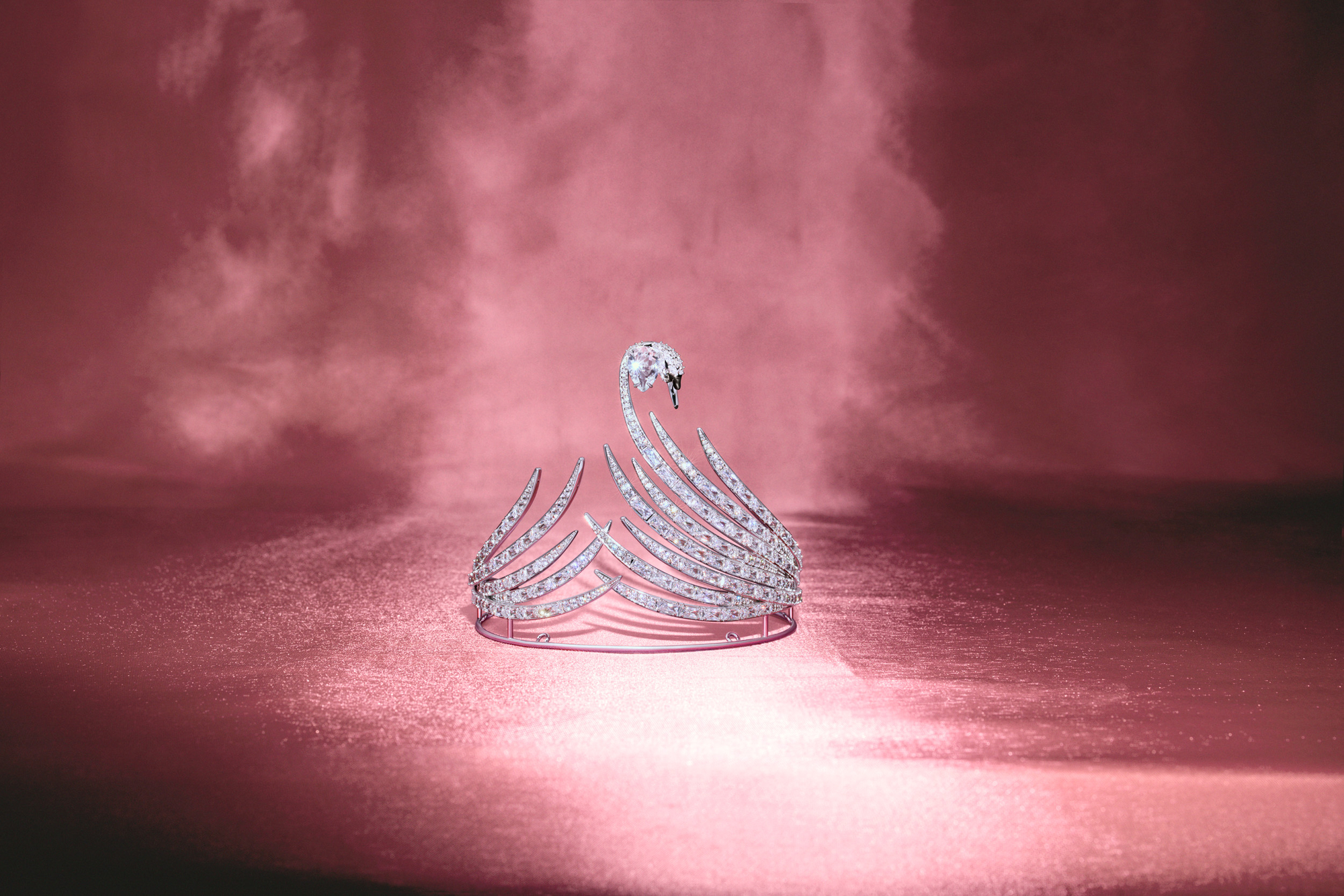
The Tiara
As an Austrian company, Swarovski has been responsible for the design of the tiaras for the opening committee since 1956.
The glamorous tradition has a high status in Austria's cultural heritage and is inextricably linked with Swarovski.
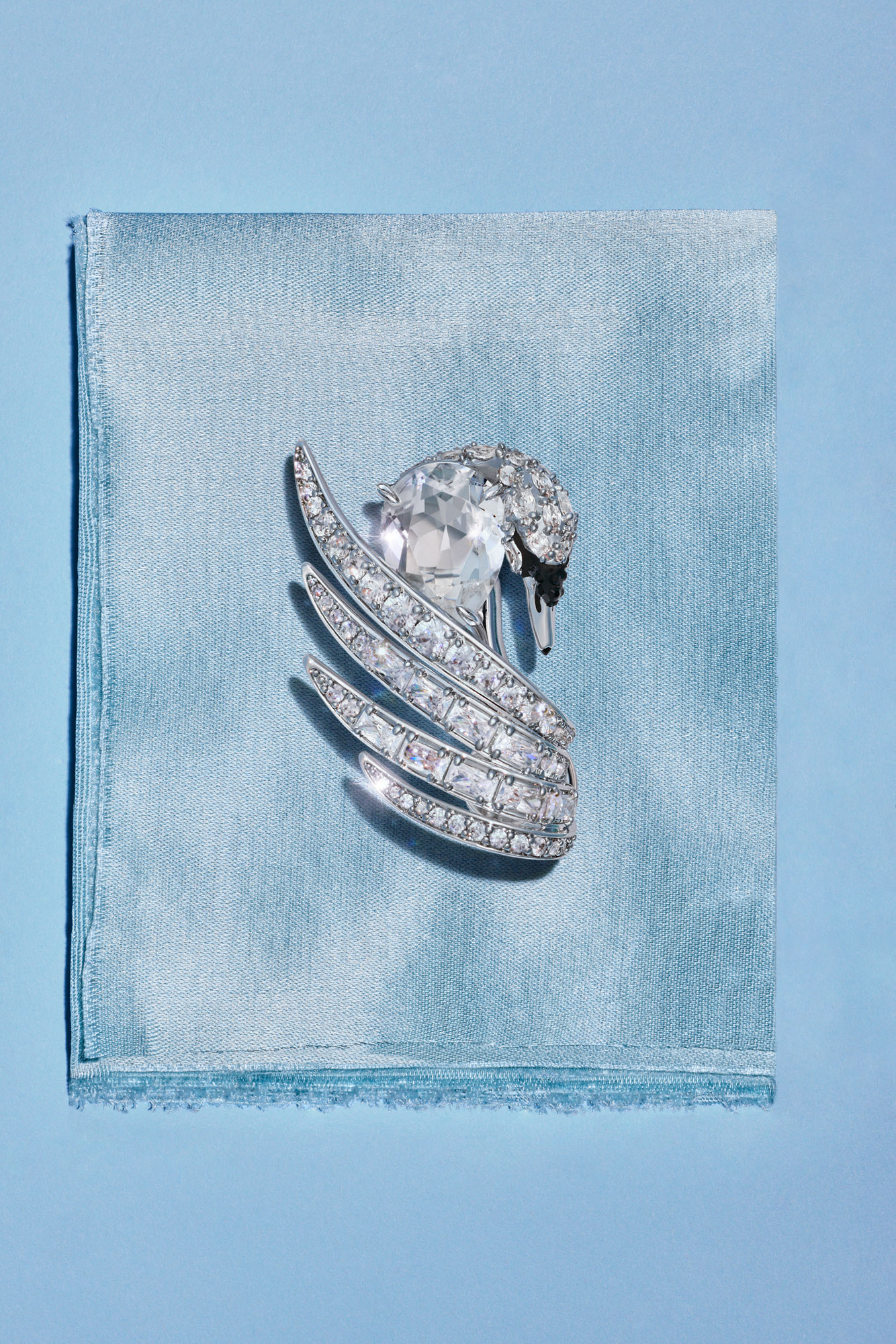
The Swarovski Tiara 2026 was designed by Giovanna Engelbert (Global Creative Director). It is adorned with over 350 crystals and inspired by the company's iconic swan emblem.
For the second year running, the tiara is complemented by a lapel pin for the debutantes' companions, which also pays homage to the Swarovski swan.
The Poster
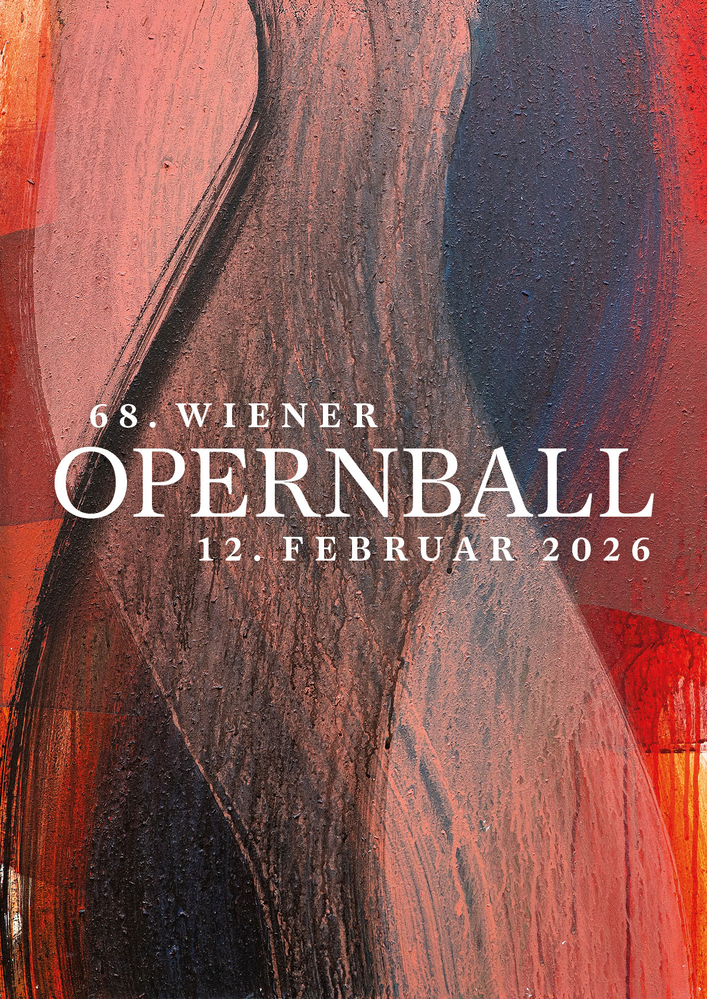
Arnulf Rainer
The poster for the Vienna Opera Ball 2026 shows a work of art by Austrian artist Arnulf Rainer. The original work can be purchased at Dorotheum via an online auction.
The campaign started on January 16, 10 am and ends on February 19, 8 pm.
The net proceeds from the auction will go to the aid organization Österreich hilft Österreich.
The work can be viewed at Dorotheum during the auction period.